

Information
Florida roof underlayment.
Underlayment is the sheet between the wood and the covering. Minimum code keeps the house dry while the shingles are on. A sealed deck is what you have left if they come off.
Information
Pick the sheet for the covering — and for the storm after it.
1. What underlayment is for
It sheds water that gets under the covering at laps, fasteners, and wind-driven rain. It is not the structural deck. It is not automatically a secondary water barrier on the insurance form. Those are separate decisions. See the sealed-deck note if the question is SWR.
2. Felt, synthetic, self-adhered
| Type | What it is | Watch |
|---|---|---|
| Asphalt felt | #15 or #30, sometimes two layers. Old standard. | Tears, wrinkles when wet, not SWR. Can still meet a code minimum. |
| Synthetic | Woven poly sheet, lighter, more tear resistance, walks better. | Still a draped sheet. Fastener holes are holes. Alone, not SWR. |
| Self-adhered | Peel-and-stick, ASTM D1970. Bonds to the deck or to a specified base. | Full deck on wood can be SWR. Over felt, usually not. Heat and laps matter. |
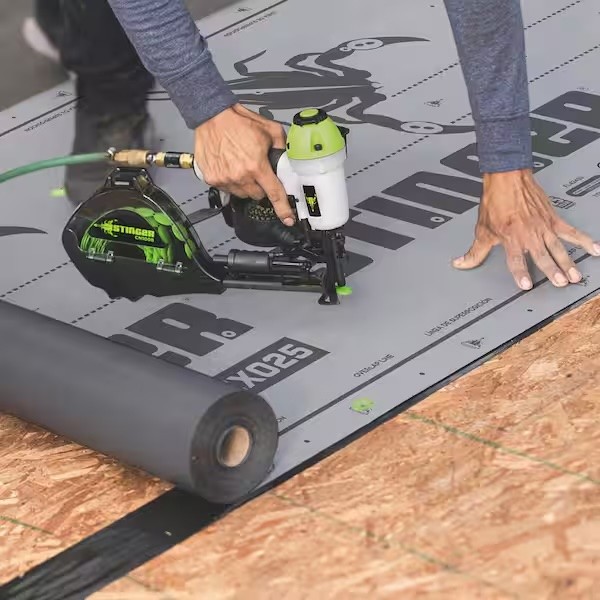
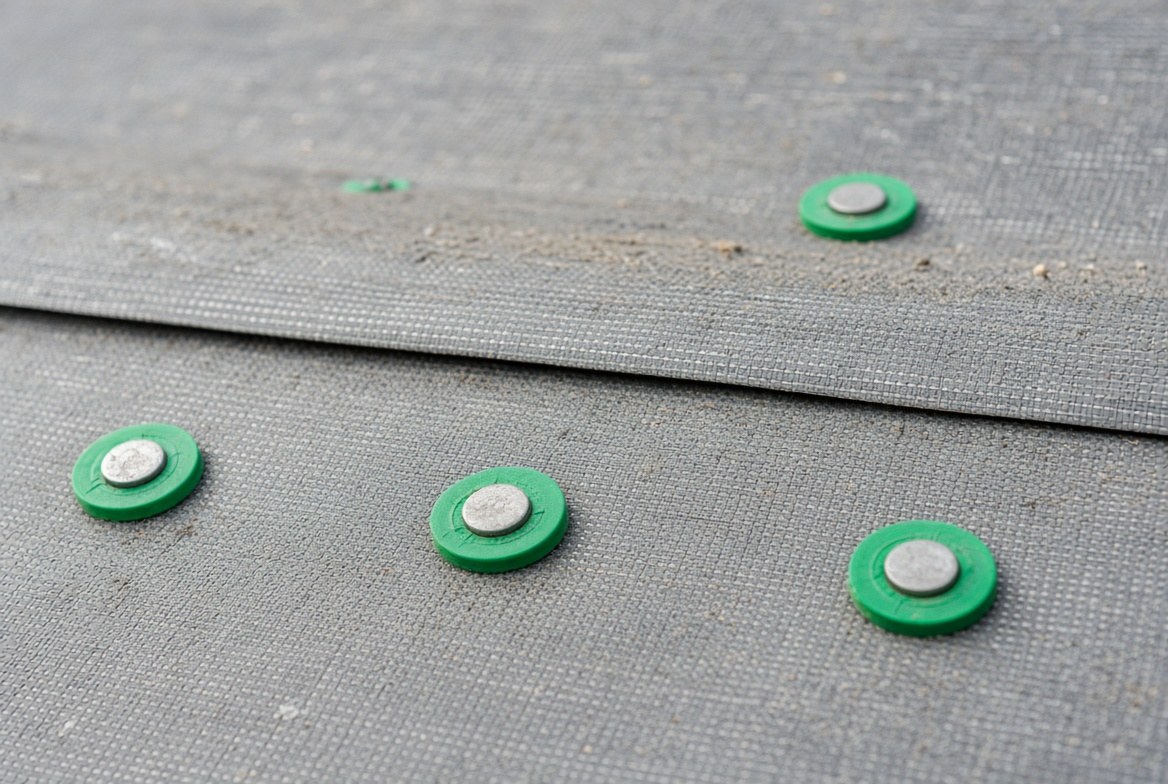
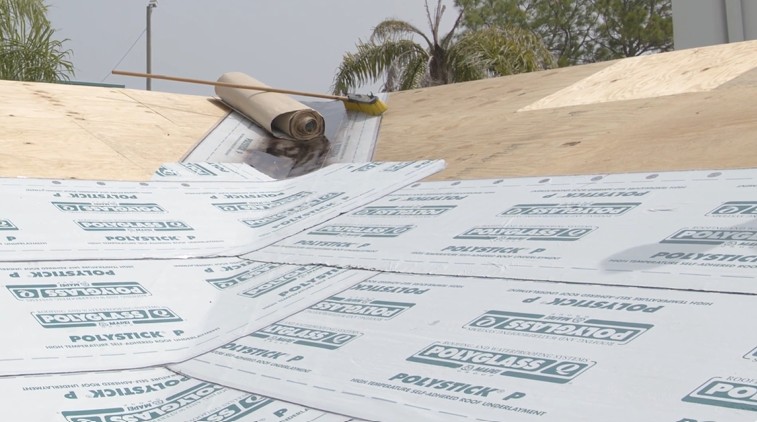
3. Where each belongs
- Shingle: synthetic or self-adhered in the field; ice-and-water style membrane at eaves and valleys is the usual upgrade. Full-deck self-adhered if the goal is a sealed deck.
- Tile: tile needs a system the tile maker accepts — often a self-adhered or hot-applied base plus battens. Felt under tile is a dated bid.
- Standing-seam metal: high-temp self-adhered under metal so the sheet does not melt or slide. Synthetic alone under dark metal in Florida sun is a common failure.
- Low-slope / torch-down: the membrane is the roof. Underlayment language from a steep-slope bid does not transfer.
4. Eaves, valleys, and full deck
Water collects at eaves and valleys first. Self-adhered in those zones is the smallest upgrade that changes a leak path. Full-deck self-adhered or taped joints plus a field sheet is the upgrade that still works if the covering leaves.
Mixing products is normal: membrane in the valleys, synthetic in the field. Mixing without a plan — felt in a valley under tile, or peel-and-stick on dirty wet OSB — is how callbacks start.
5. Minimum code vs what you want if the covering comes off
Florida code in the Wind-Borne Debris Region sets attachment and underlayment floors. A legal roof can still be a felt roof. After Ian, “legal” and “the attic stayed dry” parted company on a lot of streets.
Ask for two lines on the bid: the code path, and whether the deck is sealed. If those lines are the same sentence, the bid is only meeting the floor.
6. Questions to ask
- Felt, synthetic, or self-adhered — and on the wood or on felt?
- Eaves and valleys only, or the whole deck?
- Is this product approved for this covering in this climate (especially metal and tile)?
- Does this mark SWR, or only satisfy the permit?
CGC1540882 · CBC059473 · CCC1330892 · CPC1458687
More notes